
Thanksgiving is a unique and comforting milestone in the year. The autumn air grows crisper, kitchens fill with the familiar scents of roasted turkey and warm spices, and families gather to share stories across generations.
While the holiday centers around a massive feast, its true superpower lies in its name: giving thanks.
For older adults, practicing gratitude is far more than a polite holiday tradition. It is a powerful, scientifically proven tool for healthy aging. Embracing thankfulness this November can significantly boost both your mind and your body, giving you a vibrant tool to improve your health right from the comfort of home.
The Surprising Health Benefits of Gratitude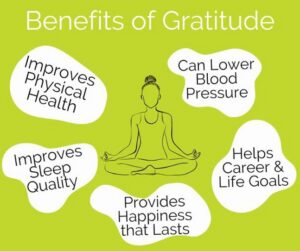
Science shows that a regular dose of appreciation does wonders for the human body, particularly as we navigate our senior years.
- Protects the Heart: Studies show that focusing on positive, grateful emotions can lower blood pressure, reduce inflammation, and improve heart rate variability.
- Eases Chronic Pain: Grateful individuals often report lower perception of pain. The mental shift releases neurotransmitters like dopamine and serotonin, acting as natural pain relievers.
- Defends Against Winter Blues: November brings shorter days and longer nights, which can sometimes impact our mood. Gratitude acts as a shield against anxiety and depression, lowering stress hormones like cortisol.
- Improves Sleep Quality: Spending just a few minutes thinking about what went right during the day calms the central nervous system, helping you fall asleep faster and sleep more deeply.
4 Heartwarming Ways to Practice Gratitude This Thanksgiving
If you are looking for simple, meaningful ways to weave gratitude into your holiday routine—or into your daily life throughout the winter—try these accessible practices:
- Start a “Three Good Things” Journal
Keep a notebook by your bedside. Every night before you turn off the light, write down three specific things that brought a smile to your face that day. It could be as grand as a phone call from a grandchild, or as simple as a perfectly ripe piece of fruit or the warmth of the afternoon sun through the window.
- The Thanksgiving Gratitude Jar
If you are hosting or attending a family gathering, set out a clean mason jar, a stack of paper slips, and a pen. Ask every guest—from the toddlers to the great-grandparents—to write down one thing they are thankful for and drop it in the jar. Before dessert is served, pass the jar around and take turns reading the notes aloud.
- Send an Unexpected “Thank You”
Think of someone who made a difference in your life recently or years ago. It could be a dedicated neighbor, a favorite doctor, a lifelong friend, or a local volunteer. Take a few minutes to write them a handwritten letter or call them directly just to say, “I was thinking about you, and I want you to know how much I appreciate what you did.”
- Practice Mindful Mealtimes
Thanksgiving dinner is the perfect opportunity to slow down. Before taking your first bite, take a moment to look at your plate. Think about the journey the food took to get to you: the farmers who grew it, the hands that prepared it, and the security of having a warm meal. Eating mindfully not only deepens gratitude but also improves digestion.
A Season of Warmth and Wellness
This November, let gratitude be more than just a word spoken before dinner. Let it be a daily practice that keeps you feeling strong, resilient, and connected to the people and places around you.
Wishing you and your loved ones a warm, healthy, and deeply happy Thanksgiving!